COMPARISON
Electric or manual toothbrush — which should you choose?
One of the most common questions in dental care is whether an electric toothbrush is better than a manual toothbrush.
In fact, both can be effective when used correctly. In practice, however, usage habits make a very big difference.
A manual toothbrush often requires more attention to technique, movements and brushing time. If someone brushes for too little time,
too aggressively or haphazardly, the end result may be less effective than it seems.
An electric toothbrush helps many people simplify the process. It can be more convenient, more modern and easier to use every day,
especially for those who do not want to think too much about technique but want a more consistent and structured routine. Many electric
toothbrushes also have a timer function that helps you stick to the recommended brushing time.
The advantage of manual toothbrushes is their simplicity and accessibility. Almost everyone is familiar with them, they require no charging and do not make you feel
that you need to learn an entirely new process. The appeal of electric toothbrushes, meanwhile, often lies in convenience and consistency — for many people,
they help maintain better daily discipline.
So the main question is not just “which is better”, but rather “which will someone actually use correctly and regularly”.
If an electric toothbrush helps make the routine easier and more motivating, it can be a very good choice.
If someone is disciplined and uses a manual brush correctly, that can also be a perfectly good solution.
TECHNIQUE
How to brush your teeth properly every day
Proper brushing is not just a quick movement in the morning and evening. It is important not only to brush regularly,
but also to cover all tooth surfaces. Many people focus only on the most visible areas in their daily routine
and do not pay enough attention to the back teeth, inner surfaces or gumline.
A good principle is to brush systematically rather than haphazardly. This means choosing a sequence and sticking to it.
For example, always start on one side, work along the outer surfaces, then move to the inner surfaces and finish with the chewing surfaces.
This approach helps reduce the chance of missing an area.
It is equally important not to use excessive force. Many people think that harder scrubbing means better cleaning, but this is not true.
Gentle, controlled movements are a much smarter choice. The key is quality, not aggression.
When using an electric toothbrush, the process often becomes simpler because fewer manual movements are needed.
However, it is still important to make sure the brush is guided evenly across all areas and that brushing is not rushed.
A good routine always starts with a mindful approach.
DURATION
How long should you brush your teeth?
Many people brush their teeth for less time than they think. This is one of the most common reasons
why even a daily dental care routine does not always deliver the results it could. A good guideline for each brushing session
is around two minutes.
These two minutes provide enough time to work through all areas of the mouth calmly and systematically.
If the process is too short, people often only manage to clean some surfaces or do so too superficially.
That is why brushing duration is one of the simplest habits worth improving.
At the same time, dental care technologies continue to develop, which is precisely why many people are interested in more modern solutions
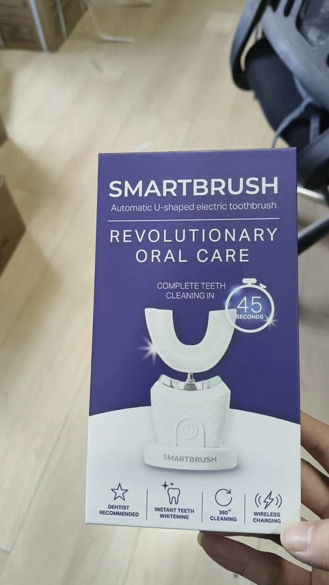
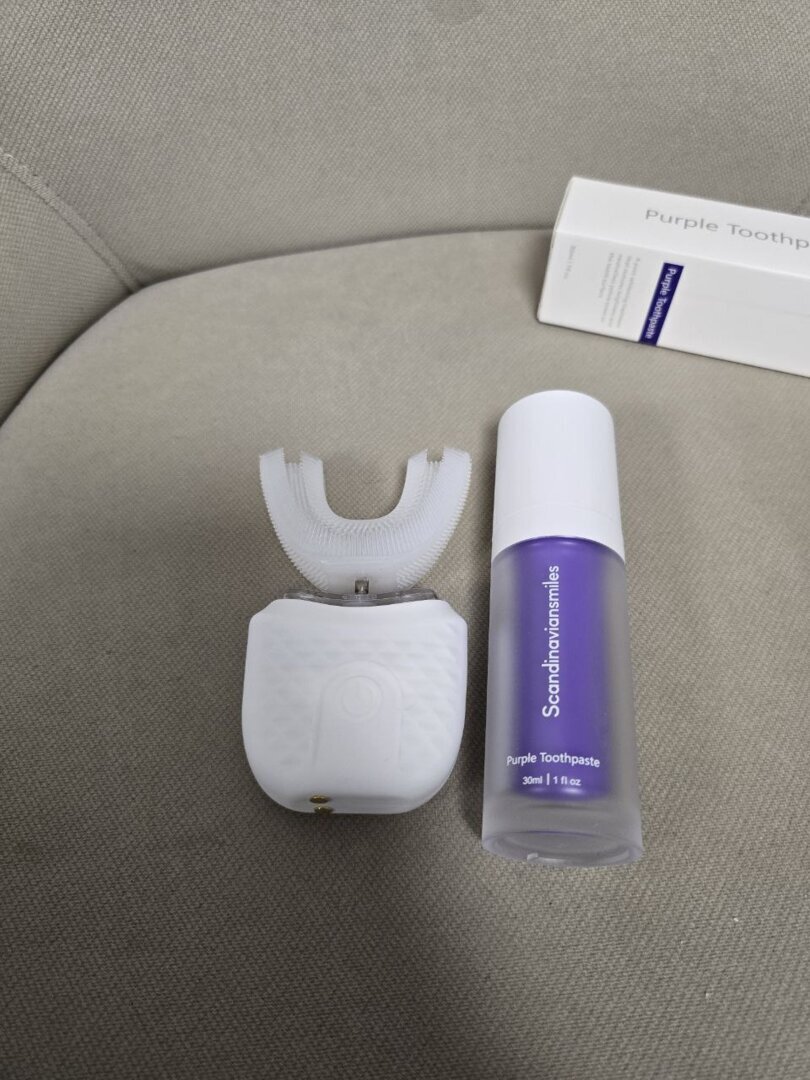
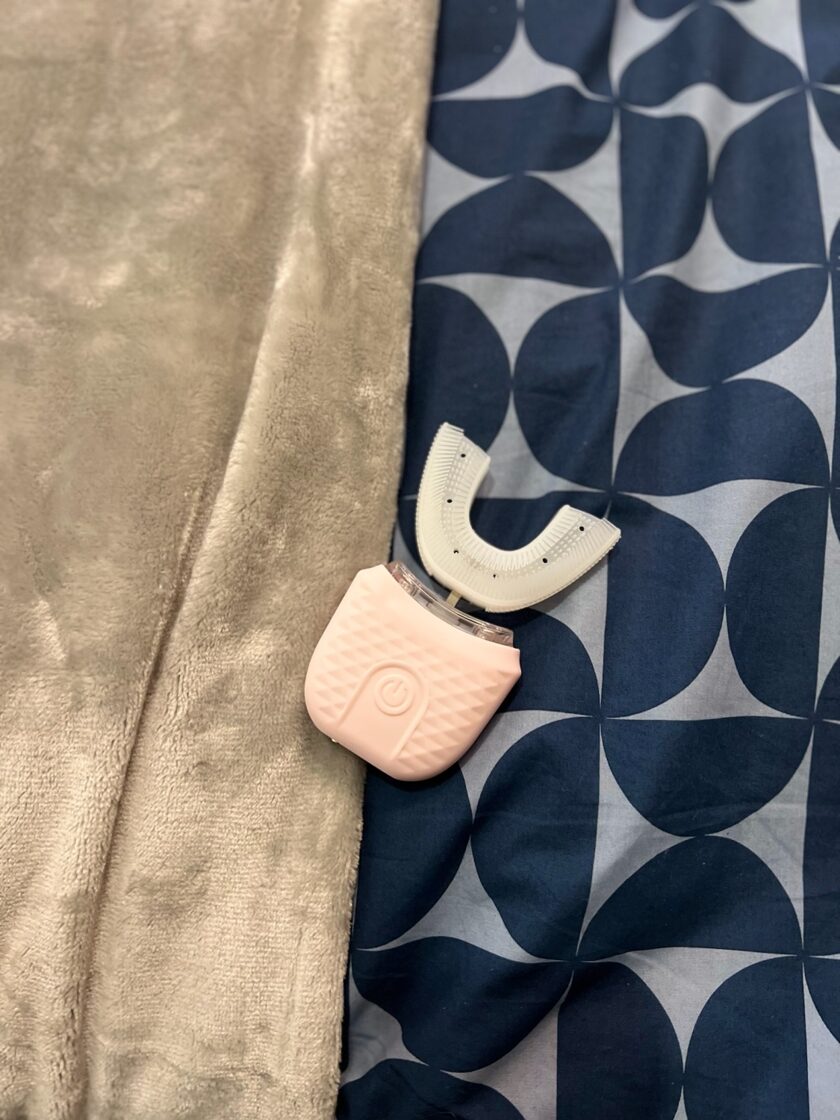
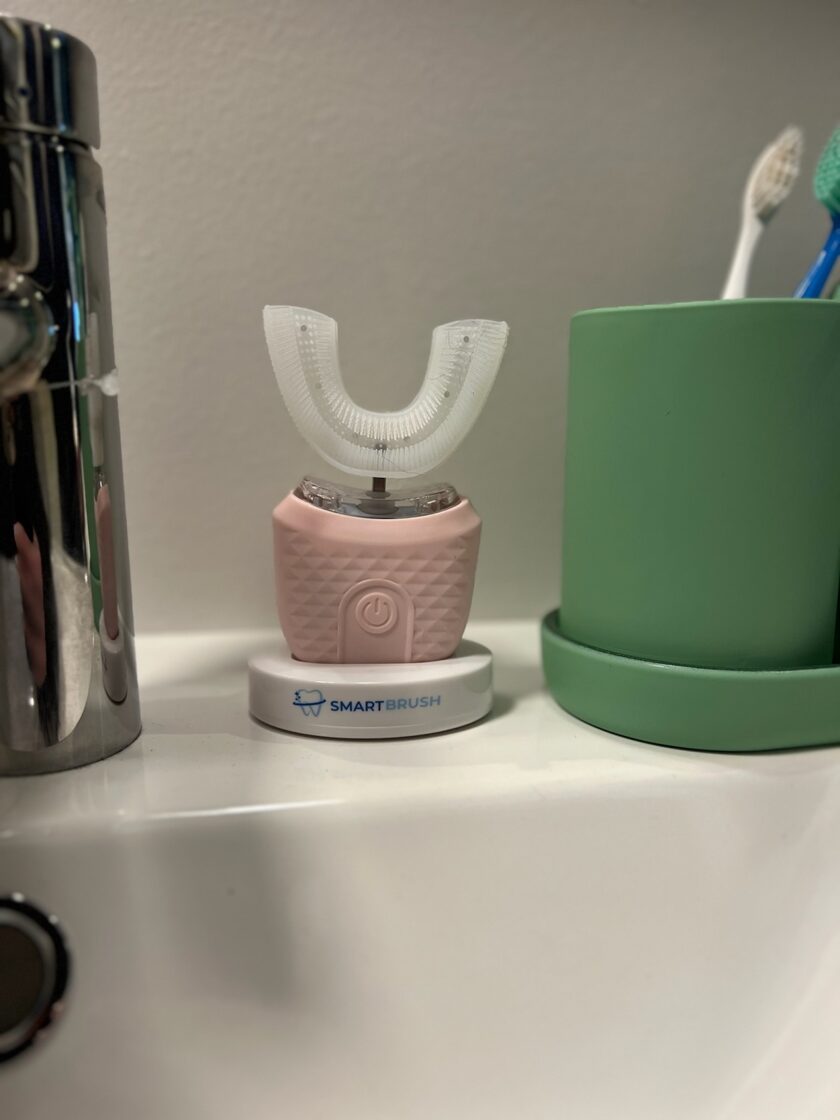
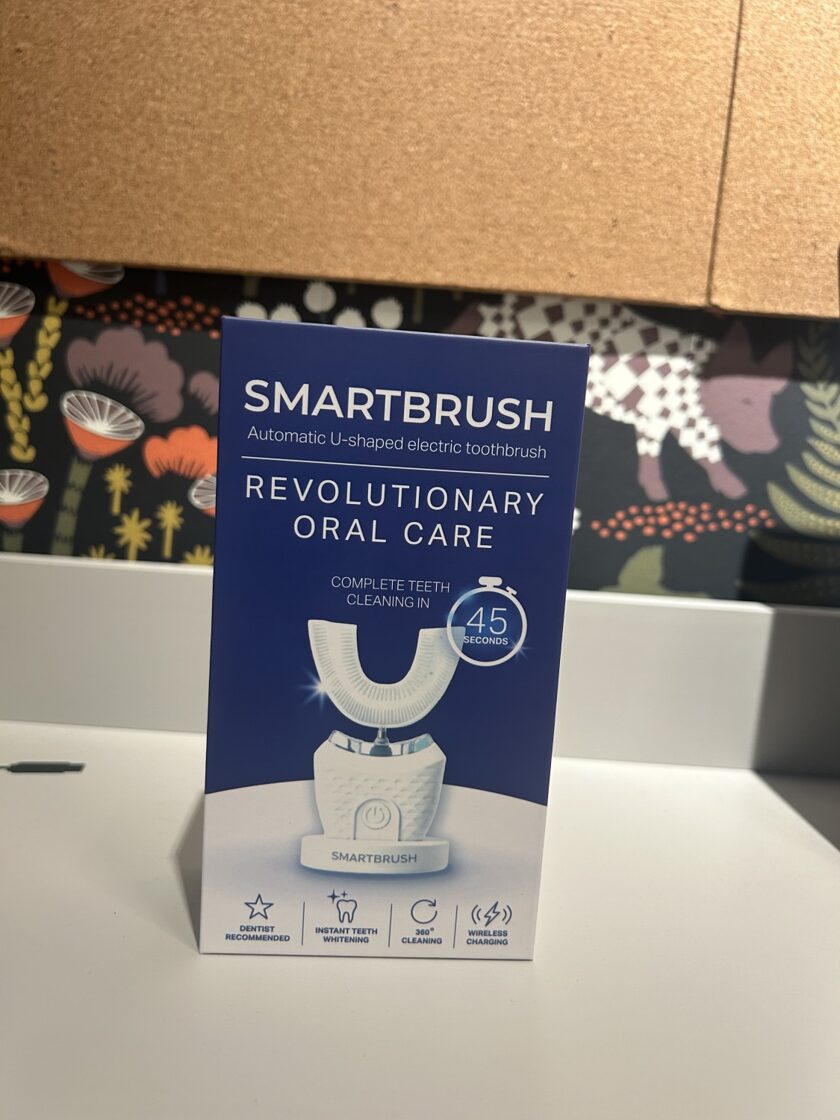
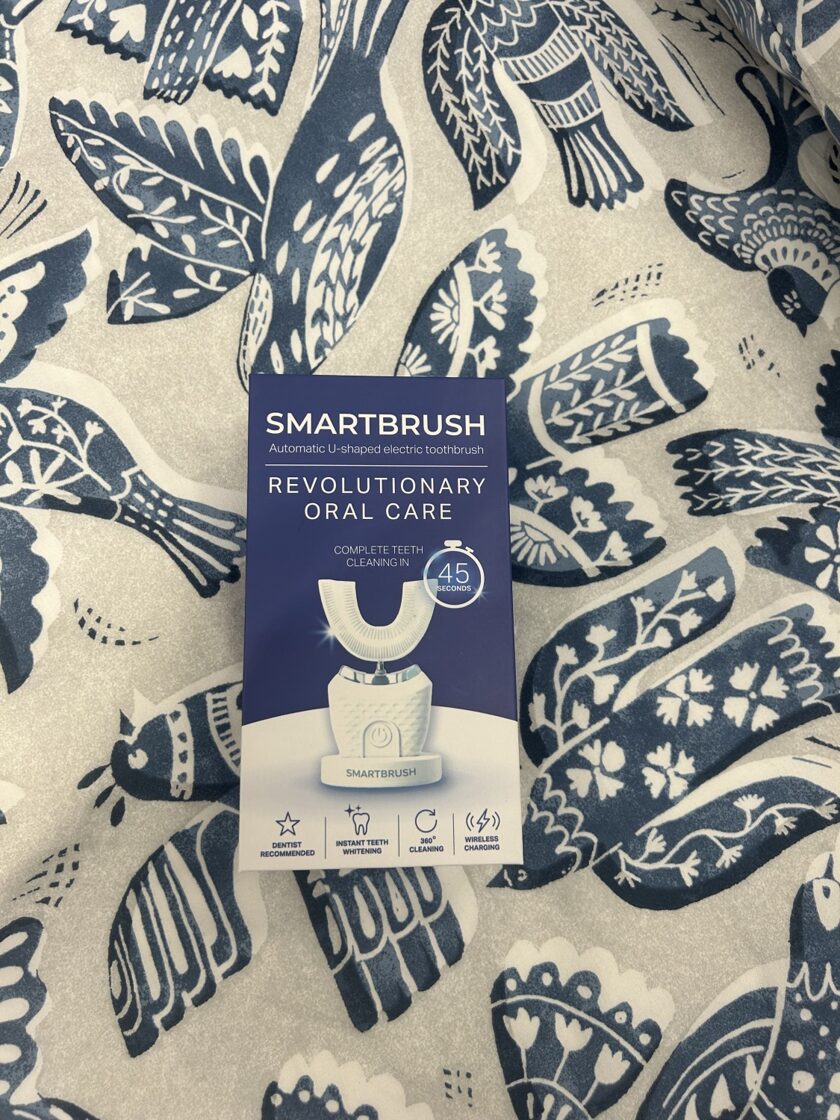
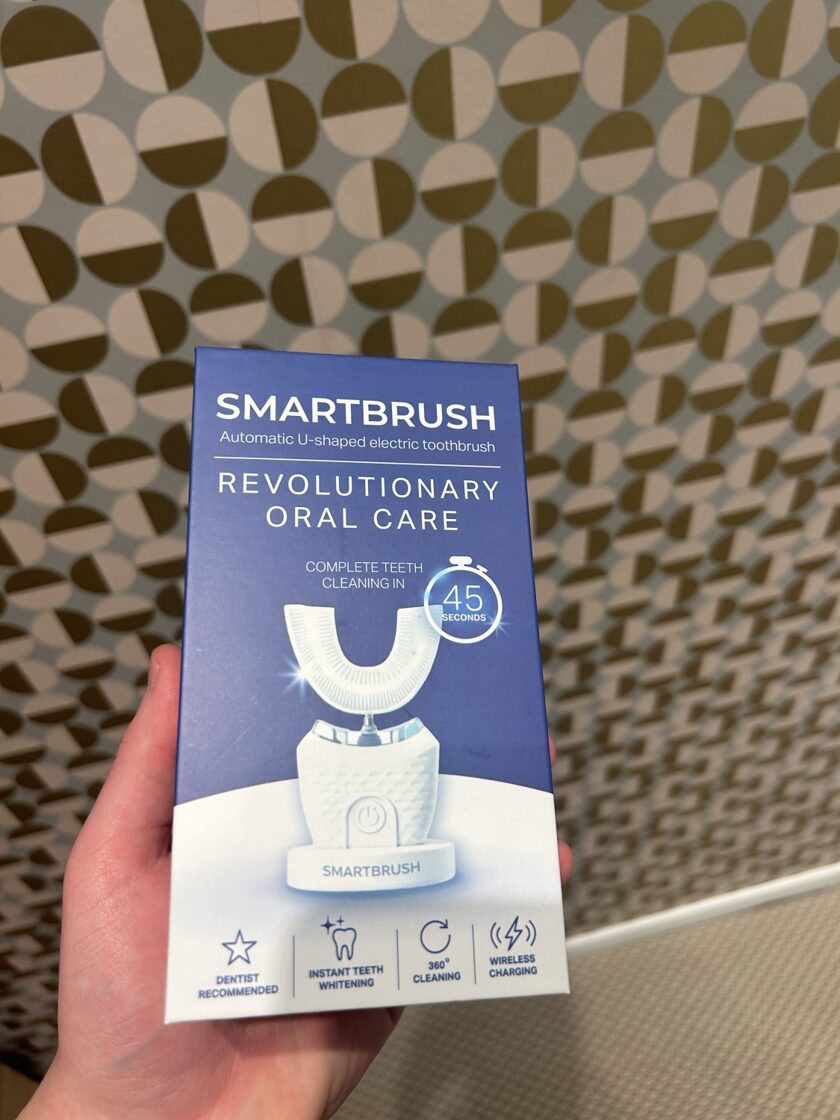
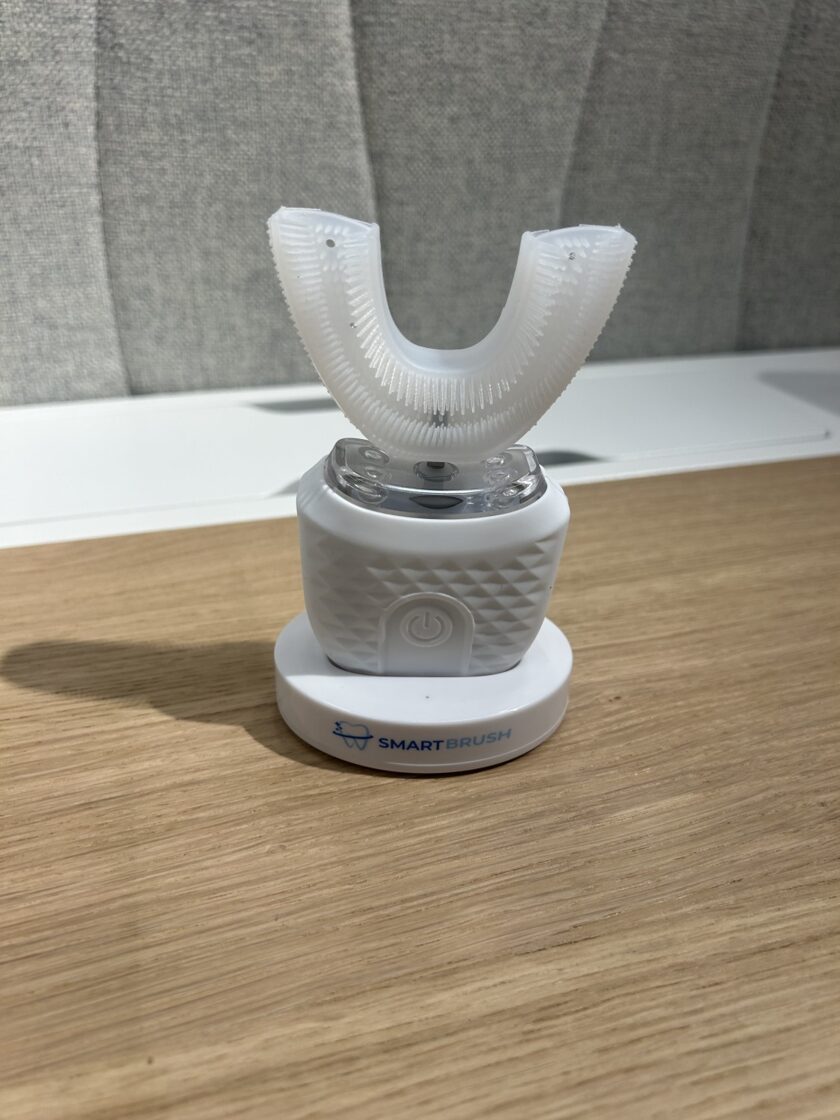
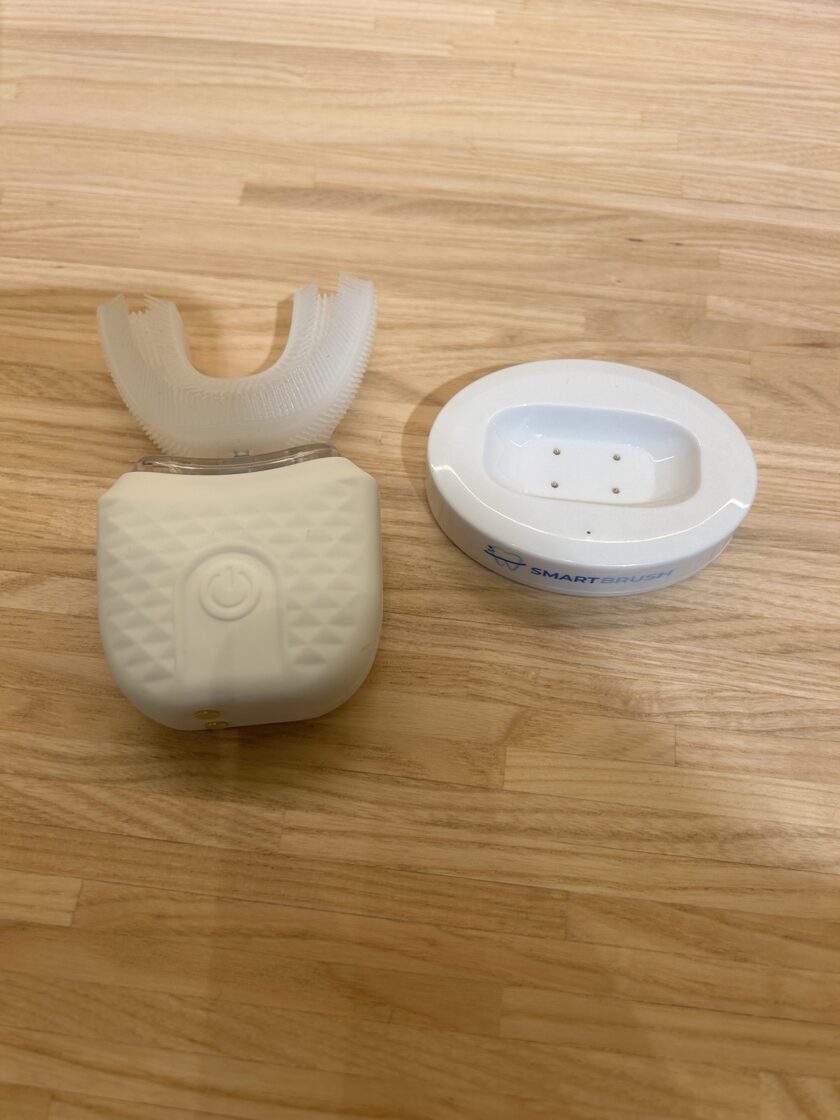
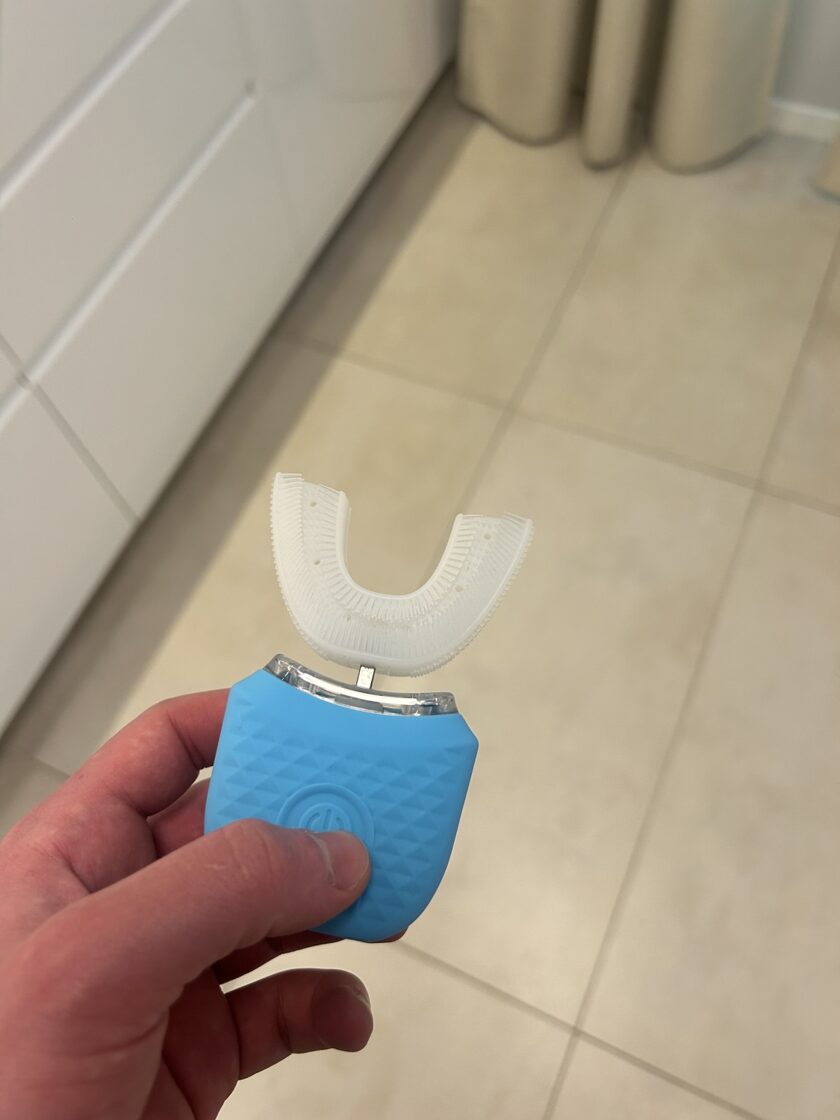
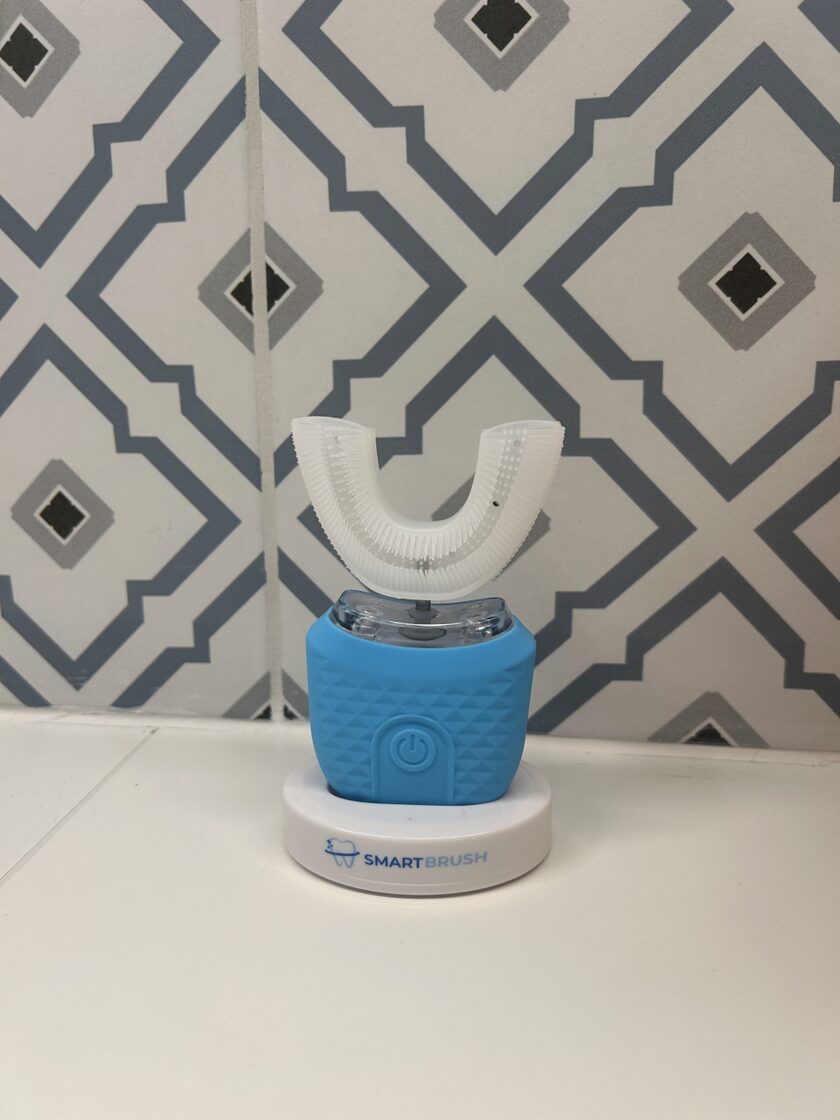
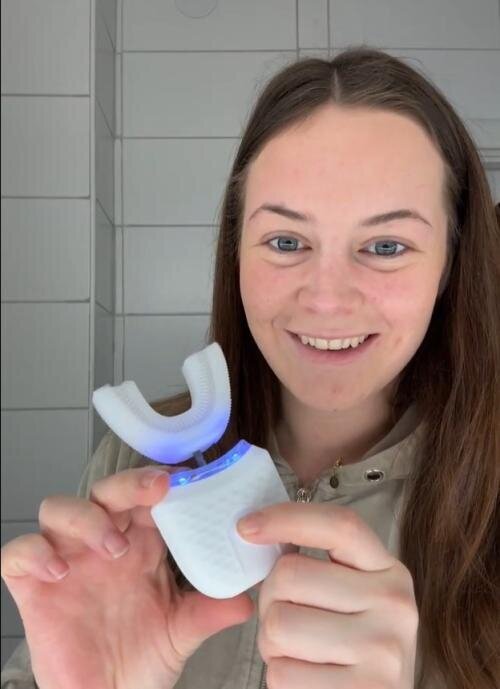
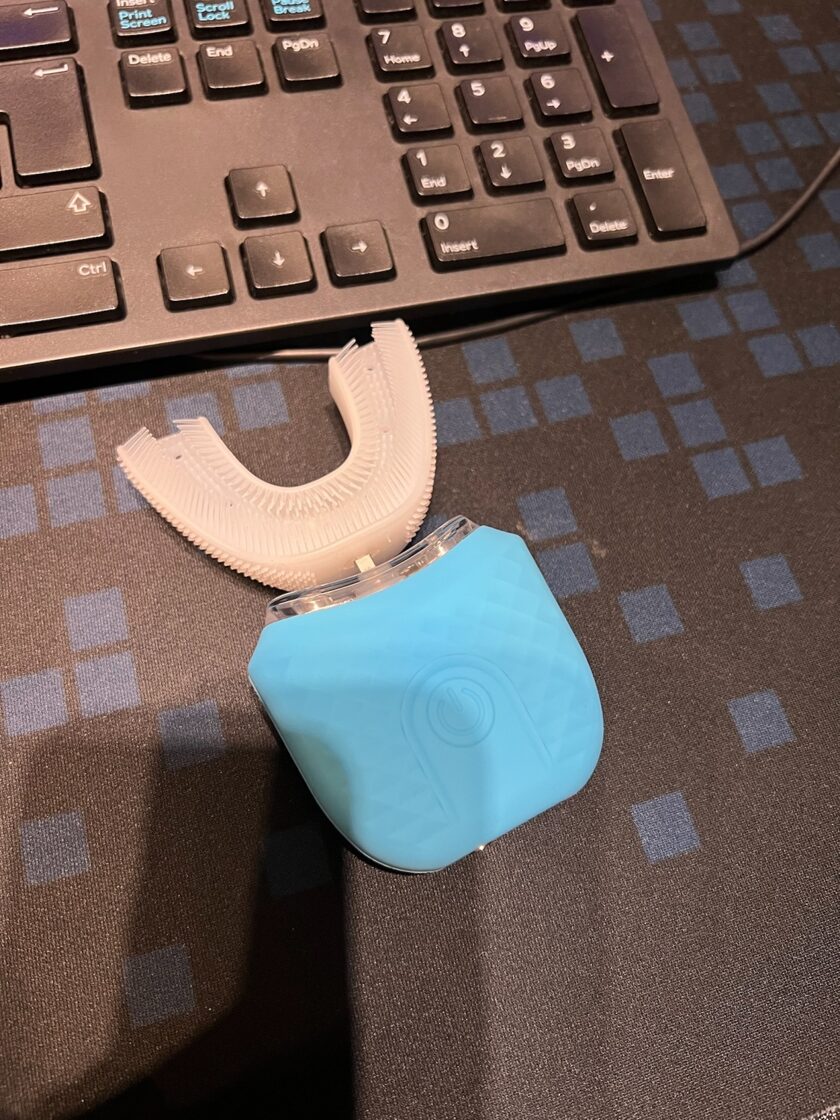
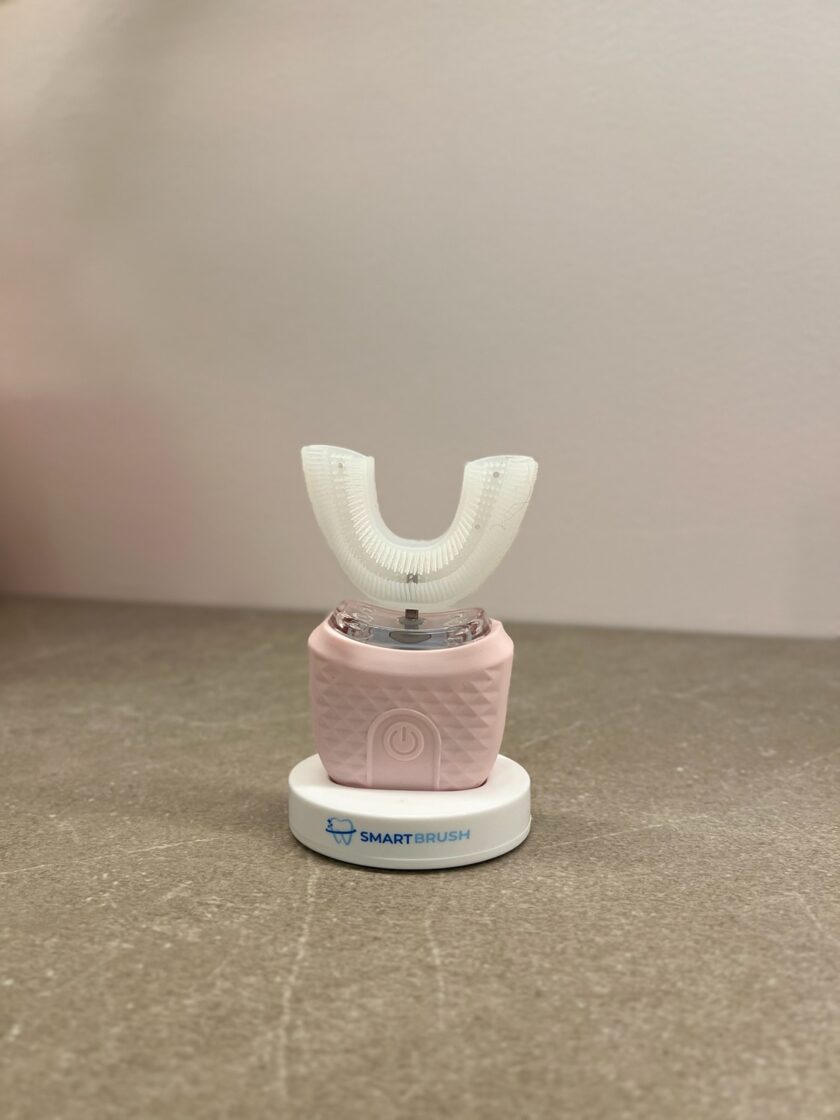
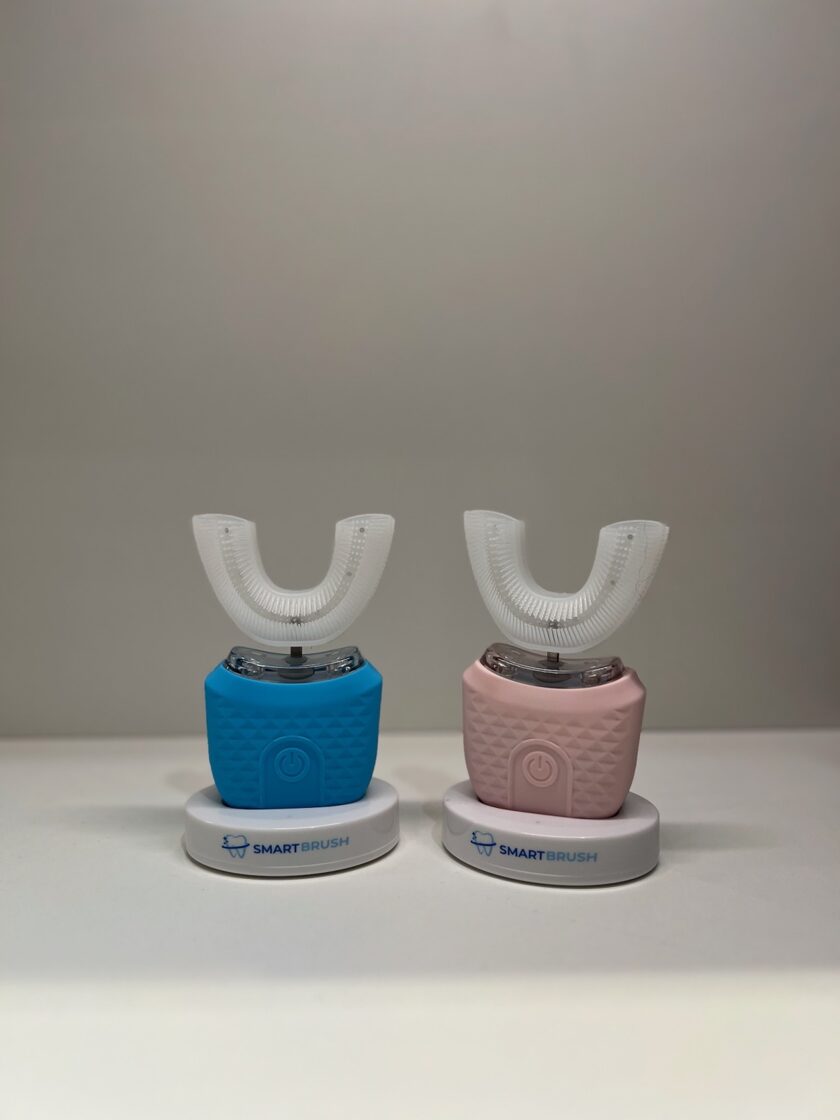
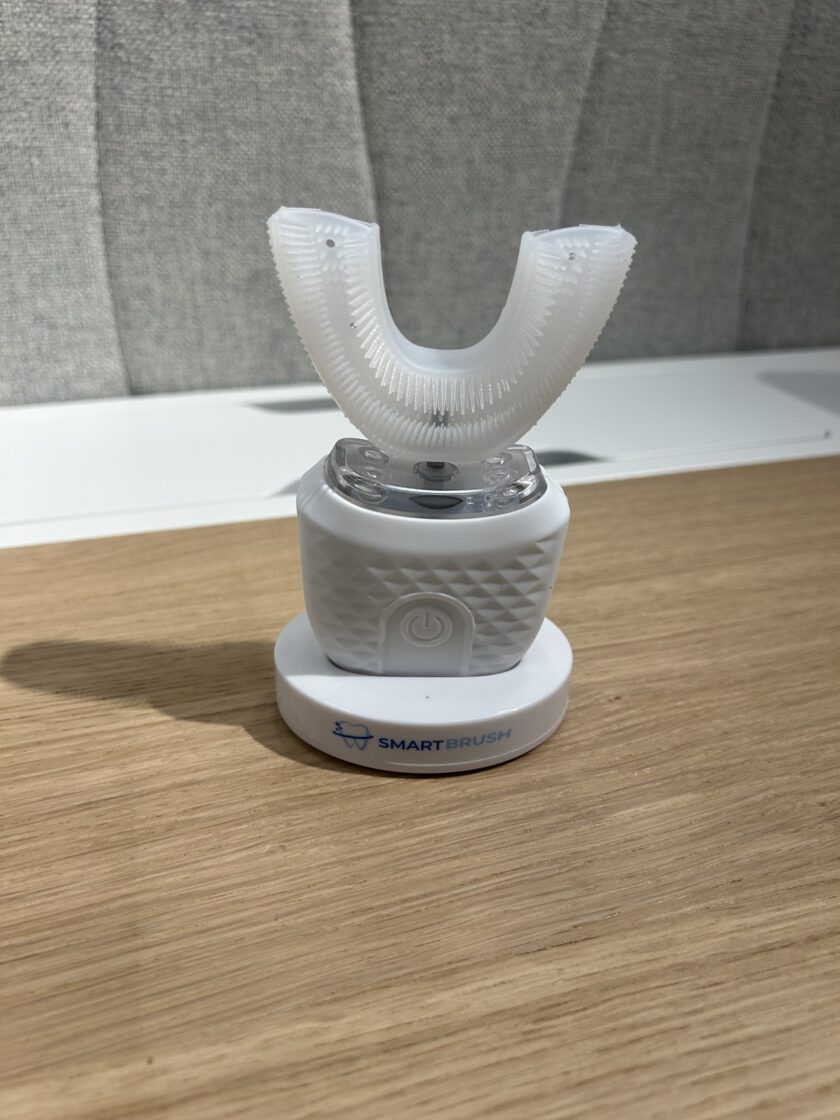
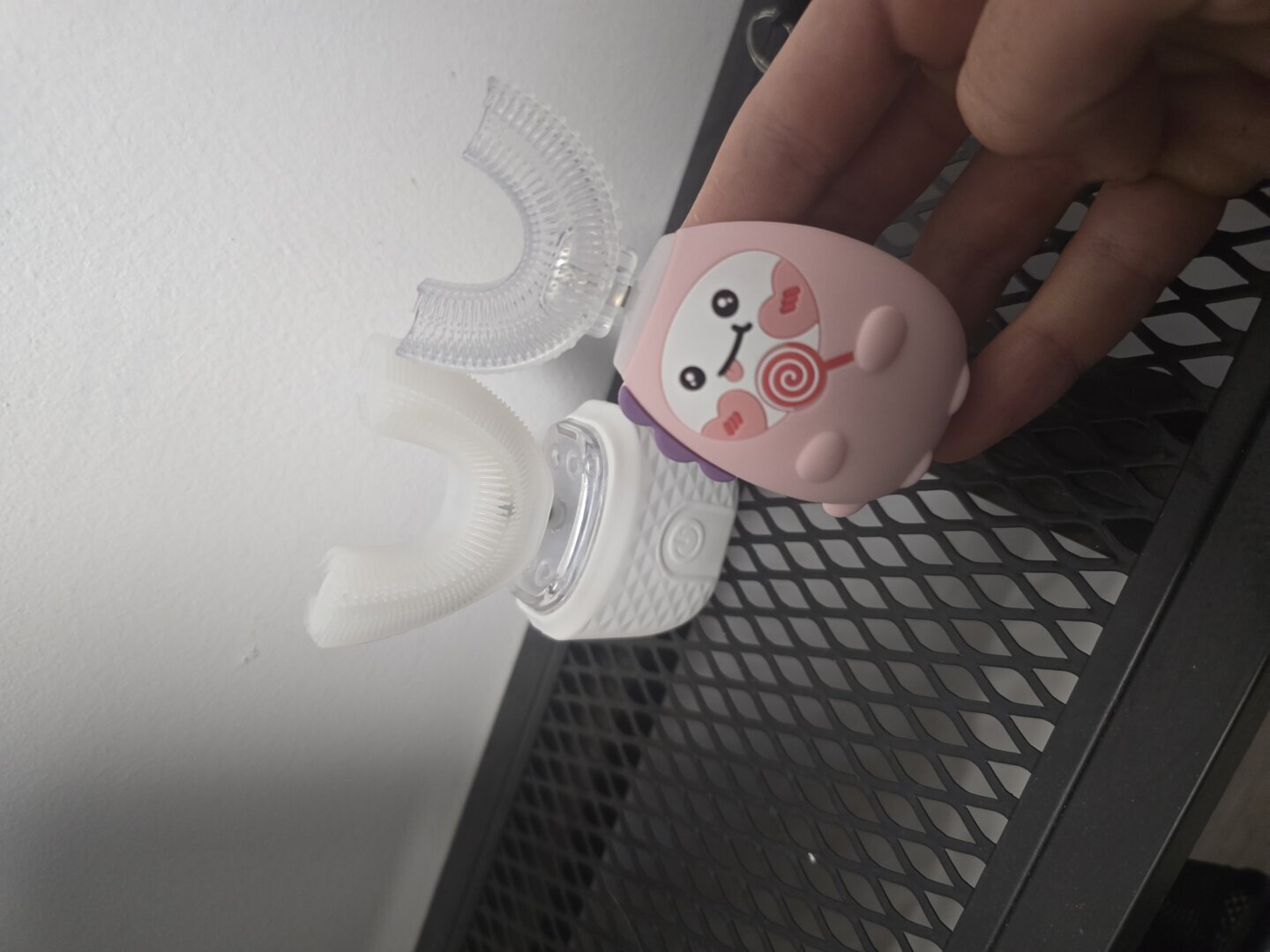
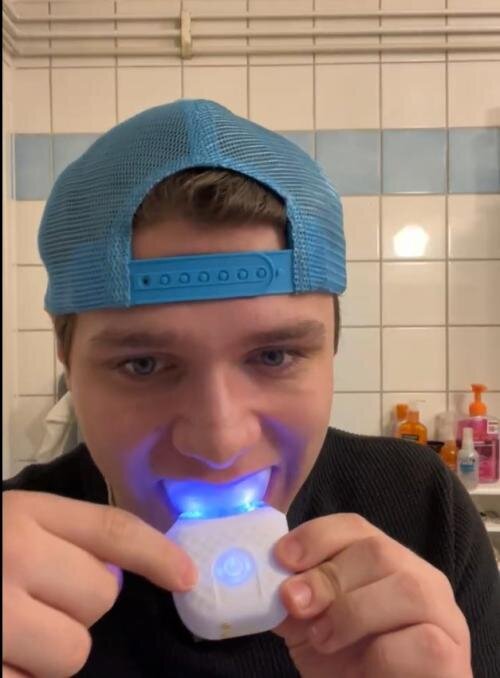
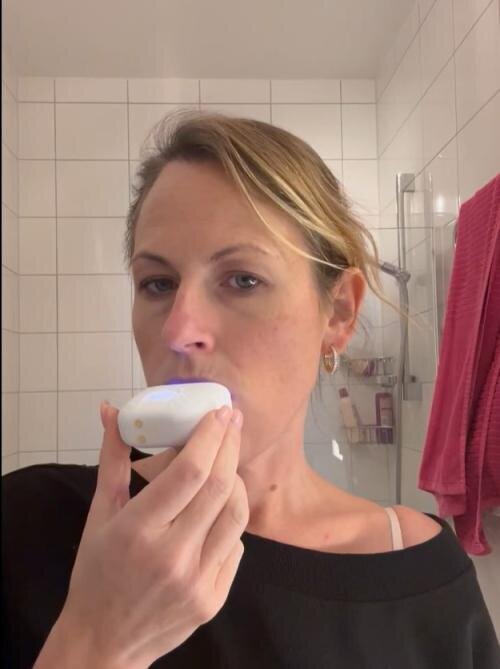
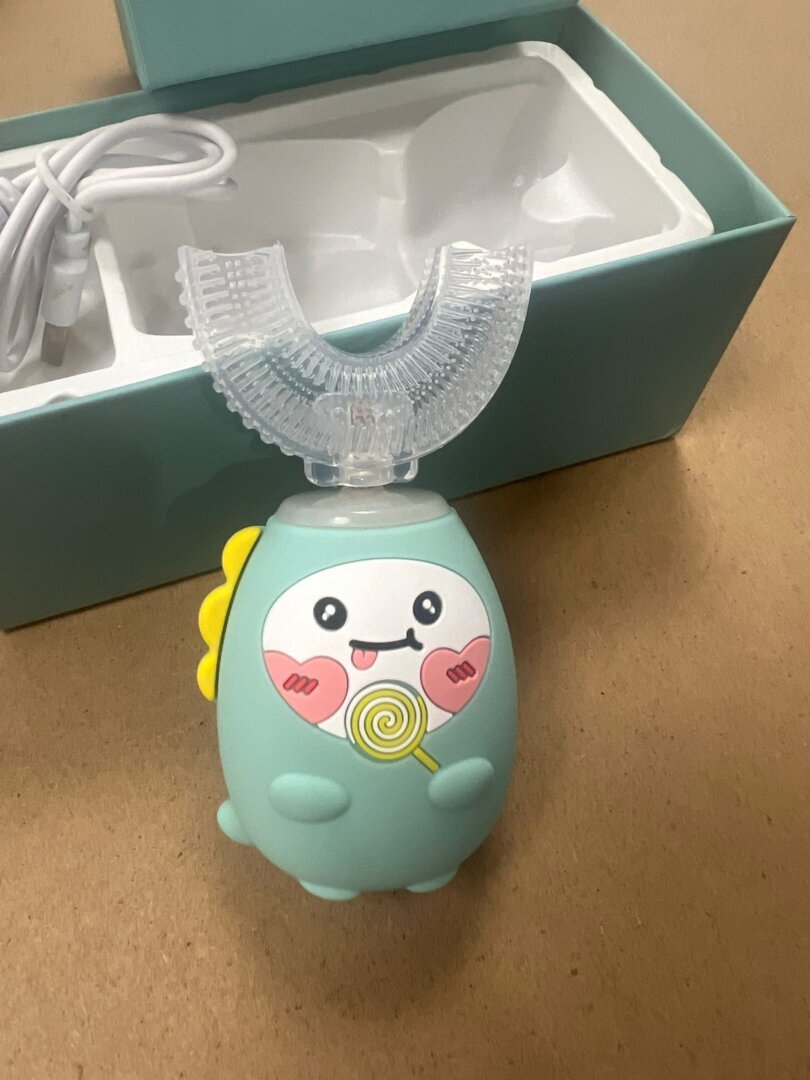
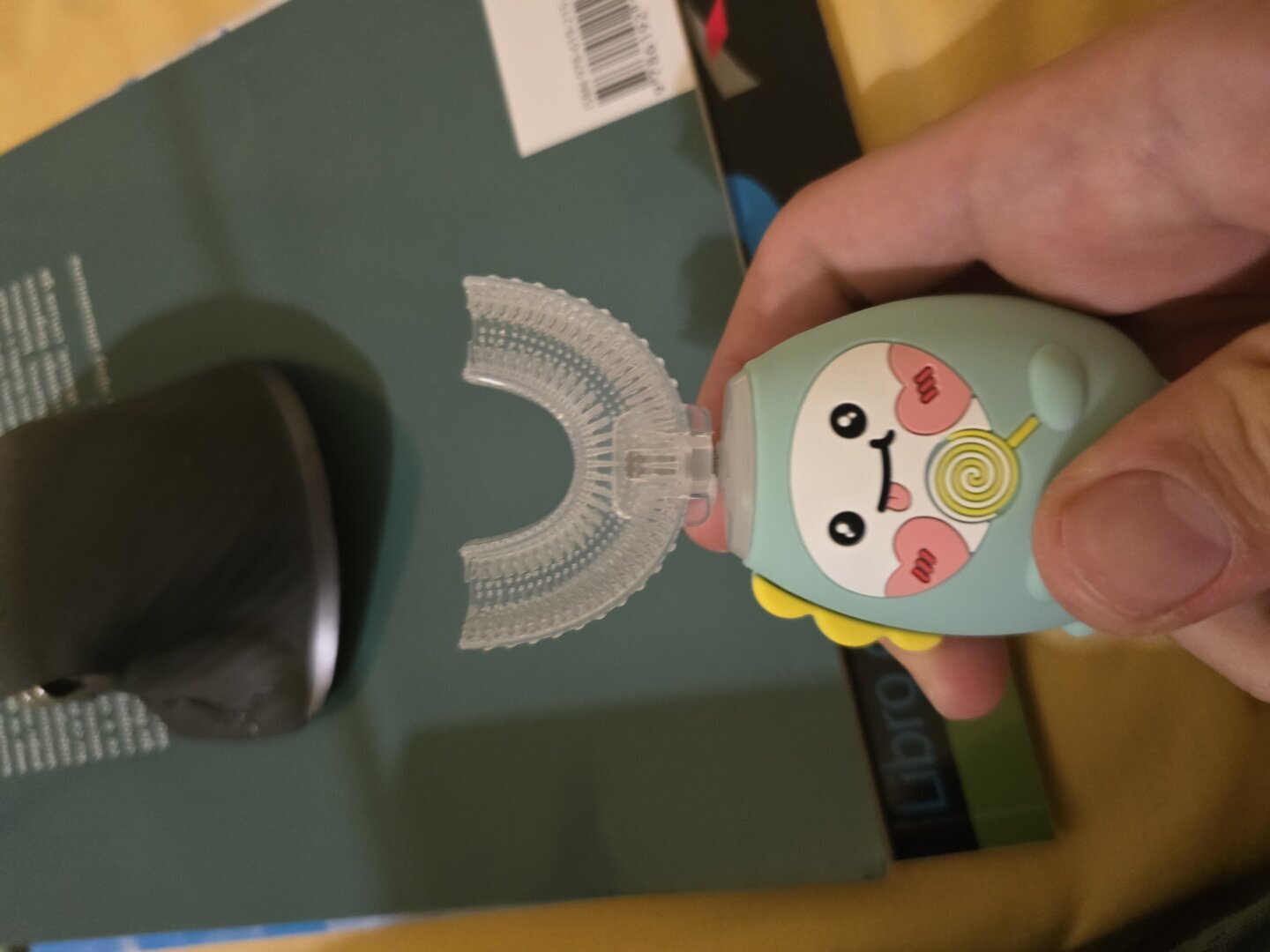
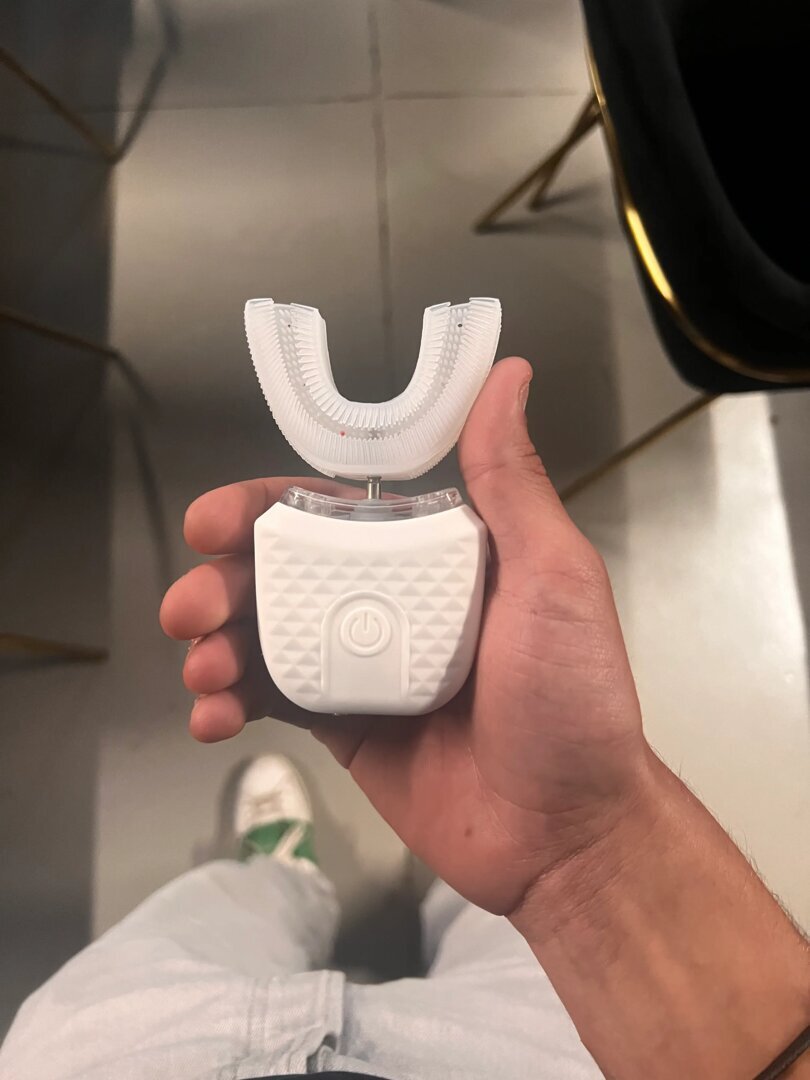
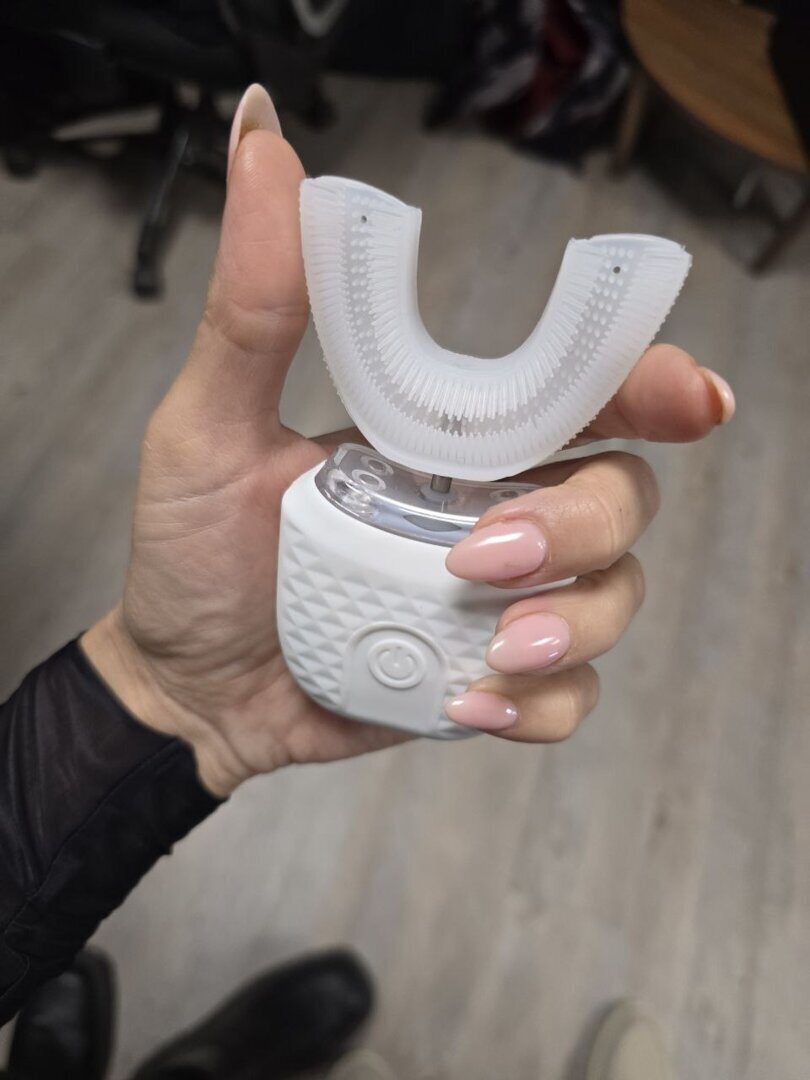
that help make the daily process faster and simpler. For example, the SmartBrush concept is based on a much more convenient and shorter daily cycle,
where brushing can take just 45 seconds. This is a good example of how innovation can help make a routine easier to follow.
If someone has previously brushed their teeth “by feel”, switching to a clear time guideline can have a surprisingly positive effect.
The key is not just watching the clock, but building a habit in which brushing is no longer a brief formality,
but a mindful daily activity.
BRACES
Is an electric toothbrush suitable for braces?
For people with braces, dental care often requires more attention than usual. Plaque and food debris can build up more easily around brackets
and wires, making thorough and regular cleaning especially important. This is why many people with braces wonder
whether an electric toothbrush can be a good choice for everyday use.
In general, an electric toothbrush can also be very useful for people with braces. It can help make the process more consistent,
convenient and structured. However, it is important to understand that the brush alone does not solve everything — you still need to devote enough time
and attention to the areas around the braces.
The greatest value here lies not just in the technology, but in making it easier to establish a good routine. If a product feels
more convenient and pleasant to use, people are more likely to brush thoroughly and regularly. That is the main benefit.
So the answer is yes — an electric toothbrush can also be suitable for braces, but the most important factors remain discipline, care
and consistency in daily dental care habits.
ROUTINE
How to improve your dental care routine in the long term
Better dental care does not start with one “perfect day”. It starts with habits that can be repeated every day without unnecessary effort.
That is why the smartest way to improve your dental care routine is to make it simpler, clearer and more enjoyable.
One of the best methods is to link brushing to a specific daily rhythm. For example, always brush immediately after waking up
and right before going to bed. When a routine becomes automatic, it is much easier to maintain in the long term.
Another important principle is to choose a toothbrush and approach that are genuinely convenient to use. If the process feels too complicated,
people are more likely to rush it or skip it. If it feels simple and straightforward, the chances of maintaining the habit become much greater.
Improving your dental care routine is not about perfectionism. It is about smart consistency. The less resistance someone feels towards the process itself,
the more likely they are to follow it regularly. This is the logic behind modern dental care.
FLUORIDE
Why is fluoride so important in dental care?
Fluoride is one of the most extensively researched and practically important ingredients in modern dental care. Simply put,
it helps protect tooth enamel and reduces the risk of cavities. That is why fluoride toothpaste is the standard choice
for most people for daily use.
Many people think of brushing only as removing plaque, but protection against cavities is also important.
This is where fluoride plays a major role. It helps make the tooth surface more resistant to the effects of acids that form after eating
and drinking, especially when sugar or sugary drinks are frequently consumed.
Fluoride is not an “extra bonus”, but rather one of the basic elements of an effective dental care routine. So when choosing toothpaste,
it is often worth paying attention not only to the flavour or packaging, but also to whether it contains fluoride. It is a simple,
yet very important daily step.
In practice, this means that a good routine is not just about choosing a brush. It means a brush plus the right toothpaste, the right brushing duration
and regularity. In this combination, fluoride helps build stronger long-term protection.
INTERDENTAL CARE
Why is a toothbrush alone not enough?
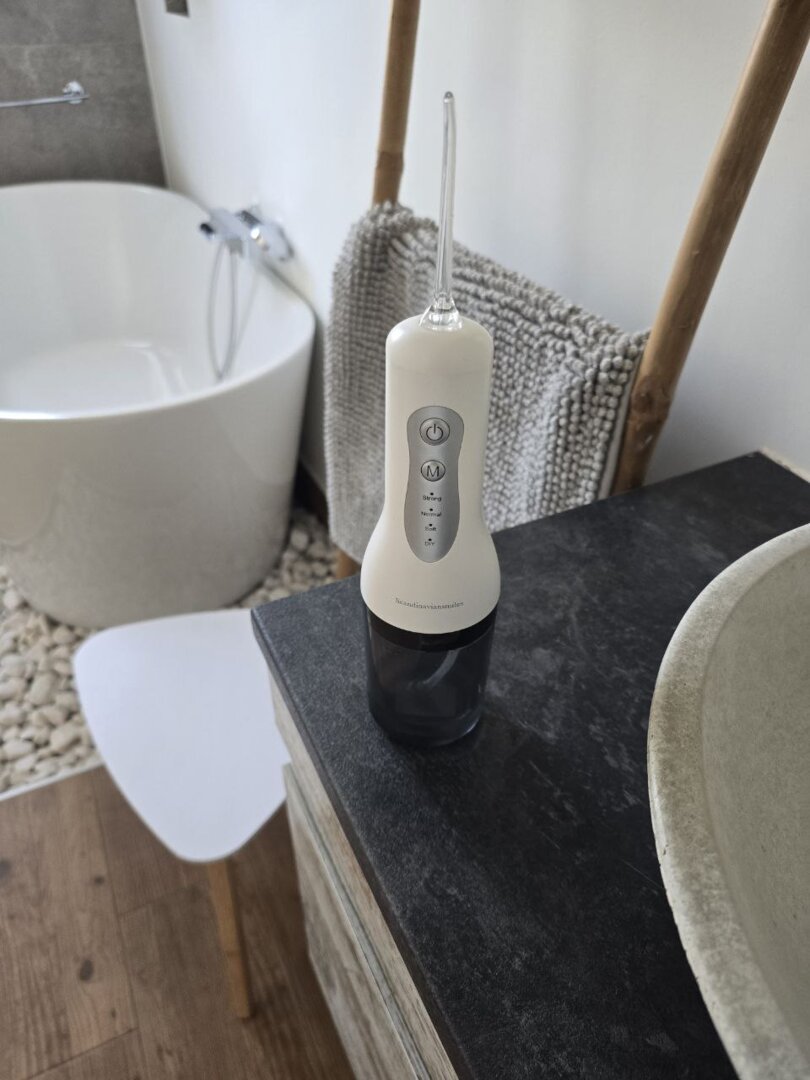
Many people brush carefully but forget that a toothbrush does not always fully clean the spaces between teeth.
This is why interdental cleaning is an important part of daily oral care. Plaque can build up in these spaces,
where it is harder to reach with a brush alone.
This does not mean everyone needs a complicated and time-consuming routine. Rather, it is important to understand the principle:
a toothbrush cleans most surfaces, but the spaces between teeth often need extra attention. This is when many people notice
that their daily routine becomes more complete.
Interdental care helps you think about brushing more broadly — not just “did I brush my teeth today”, but also “did I clean them thoroughly enough”.
This is one of the habits people often discover later, and it frequently becomes a significant improvement in overall oral hygiene.
A smart routine consists of several small things that together deliver a greater result. That is why a toothbrush is very important, but not always the only tool
that helps maintain comprehensive dental care.
DIET
How do sugar and sugary drinks affect teeth?
When discussing dental care, the focus is very often only on the brush and toothpaste. But diet also has a significant impact on dental health,
especially added sugar and sugary drinks. The more often teeth are exposed to sugar, the more often an environment develops in the mouth
that promotes cavities.
It is not just the total amount of sugar that matters, but also the frequency. If someone regularly sips sweetened drinks throughout the day
or frequently snacks on sweets, their teeth are repeatedly exposed to an unfavourable environment. Good dental care is therefore not just about “brushing afterwards”, but also understanding
how daily eating habits affect overall risk.
This does not mean every sweet treat is a disaster. Overall habits and consistency matter much more. If someone maintains
a good brushing routine while reducing very frequent sugar exposure, that is already a significant step towards healthier teeth.
That is why it is always worth looking at dental care beyond the bathroom. What a person drinks and eats throughout the day
is also an important part of oral health.
MISTAKES
Common mistakes when brushing teeth
Many people brush every day while making several typical mistakes. One of the most common is brushing for too little time.
Another is a haphazard approach that does not systematically cover all areas of the mouth. A third is applying too much pressure, thinking it will produce a better result.
Another common mistake is believing that “if I brush every day, everything must be fine”. In reality, a great deal depends not just on regularity,
but also on quality. If incomplete or rushed brushing is repeated every day, the long-term result will not be as good as it could be.
People also often forget to replace a worn toothbrush or brush head. When the bristles are splayed and worn, the brush no longer works as effectively,
and cleaning becomes less thorough. This is a small detail, but it has practical significance.
The good news is that most of these mistakes are easy to correct. A few better habits are enough:
brush for long enough, do it systematically, avoid excessive force and remember the importance of a quality routine.
CARE
When should you replace your toothbrush or electric brush head?
A toothbrush or electric toothbrush head is not a tool to use indefinitely. Over time, the bristles wear out, splay
and no longer clean as well as they did at the start. Regular replacement is therefore an important part of a good dental care routine.
A good practical guideline is around three to four months, though sometimes replacement is needed sooner. If the bristles look worn,
frayed or have clearly lost their shape, there is no point waiting. A worn brush does not just look worse — it can clean less effectively.
This is one of those small habits that people often put off. Yet these are precisely the details that create a quality routine.
If someone already invests time and care in daily brushing, it makes sense to also ensure that the tool itself is still in good condition.
It is also worth remembering one simple principle: good dental care consists not of one “big thing”, but of many small,
correct steps. Replacing your brush or brush head in good time is one of them.
WHITENING
Teeth whitening at home — what is worth knowing?
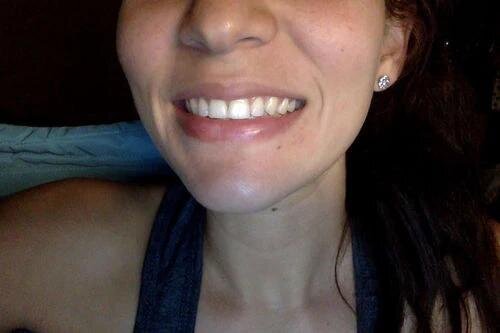
Teeth whitening at home is a topic that interests many people, because the appearance of a smile matters to many both in everyday life and for self-confidence.
In practice, the most commonly used at-home options are whitening toothpastes, whitening strips or other products that help reduce
surface stains or affect tooth shade. However, it is important to understand that not all methods do the same thing.
Some products mainly help remove external surface stains, such as those caused by coffee, tea or smoking, while others act as bleaching agents
and are designed to improve appearance. That is why it is very important not to blindly seek the “fastest” method, but to understand the goal —
whether it is reducing surface stains or achieving a more noticeable shade change.
Basic care is also very important in a daily routine. If teeth are not brushed regularly, the whitening effect will always be less consistent.
This is why SmartBrush can be a very good addition for people thinking not only about cleanliness, but also about the appearance of their smile.
Convenient and consistent brushing helps maintain better daily care, while the whitening mode and modern approach make it even more appealing.
It is also important not to overdo it. Teeth whitening at home should be done sensibly and thoughtfully. The best result usually comes
when an aesthetic approach is combined with a good basic routine: regular brushing, fluoride toothpaste and consistent daily care.
This is where SmartBrush fits best — as a modern and convenient tool for maintaining your smile every day.
MORNING BREATH
How can you neutralise bad morning breath?
Bad morning breath is very common and completely normal for most people. During the night, saliva production decreases,
the mouth becomes drier and conditions become more favourable for bacteria to produce an unpleasant odour. This is why many people wake up with stronger breath odour
even if everything seemed fine the previous day.
One of the most important ways to reduce morning breath is a good evening routine. Thorough brushing in the evening reduces the amount
of plaque and food debris that bacteria can “work on” overnight. Evening brushing is therefore often especially important not only for dental health,
but also for fresh breath in the morning.
Drinking enough fluids, regular oral care and paying attention to the tongue also help, as bacteria can build up there too.
If morning breath is very strong or persists for a long time, it is sometimes worth paying attention to other factors, such as dry mouth,
eating habits or overall oral hygiene.
In practice, this means a simple principle: the more thorough and consistent your evening dental care, the more likely your breath
will be fresher in the morning. Solutions such as SmartBrush can therefore be useful not only for convenience, but also for motivation to actually carry out your evening routine properly.
SMARTBRUSH
Why is SmartBrush such a good and innovative toothbrush?
SmartBrush stands out because it was not designed as just another ordinary toothbrush with slightly different packaging. Its concept is based on
making dental care simpler, more convenient and more modern. This is the main direction of innovation — not just cleaning teeth,
but also improving the experience itself so that people want to follow this routine regularly.
For many people, the biggest problem is not a lack of information about dental care, but a lack of desire or patience
to spend a long time standing at the sink every day. This is where SmartBrush becomes especially interesting. It offers a much more convenient, simpler and faster approach
that better suits the pace of modern life.
Innovation lies not only in technology, but also in how a product fits into everyday life. If someone finds a product interesting,
if it feels modern, attractive and convenient, it is much more likely to become a lasting habit. This is why SmartBrush can be
a very appealing choice for those looking not just for functionality, but for a more complete experience.
SmartBrush is a good and innovative toothbrush because it offers more than a conventional approach. It combines convenience,
aesthetics, speed and a modern perspective on daily dental care. For people who want a smarter and simpler routine,
it is a very logical next step.
FAQ
Frequently asked questions about dental care
Is an electric toothbrush better than a manual one?
Both can be effective when used correctly. An electric toothbrush is more convenient for many people and helps maintain a more consistent routine.
How long should you brush your teeth?
A good guideline is around two minutes per brushing session, in the morning and evening.
Is an electric toothbrush suitable for braces?
Yes, it can also be a good choice for people with braces, provided teeth are brushed thoroughly and regularly.
Why is fluoride important?
Fluoride helps strengthen tooth enamel and reduces the risk of cavities, which is why fluoride toothpaste is very important in a daily routine.
How often should you replace your brush or brush head?
A good guideline is about every 3–4 months, or sooner if the bristles are worn or frayed.
How can you reduce bad morning breath?
Thorough evening hygiene, sufficient moisture in the mouth, tongue cleaning and a regular dental care routine all help.
SMARTBRUSH
Would you like a more modern approach to dental care?
Explore SmartBrush products and choose a solution that helps make brushing more convenient, structured and enjoyable every day.